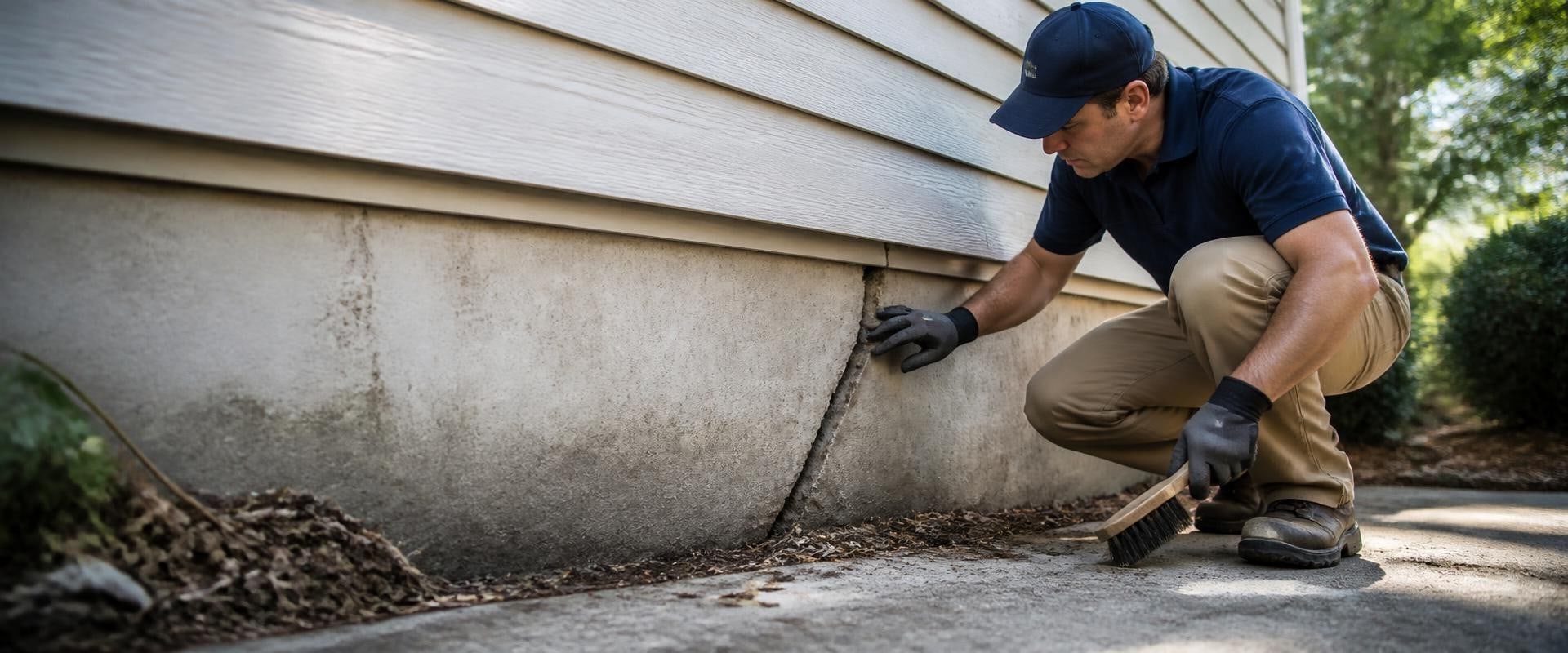
Regular cleaning does more than improve the appearance of a home. Moving furniture, vacuuming along walls, wiping baseboards, and cleaning floors can reveal changes that may have gone unnoticed during everyday activities. Small cracks, gaps, stains, uneven flooring, or areas where trim has separated can become easier to spot once surfaces are cleared and inspected closely. Although many of these issues are cosmetic, recurring or worsening damage can sometimes indicate movement within the structure. Paying attention to these discoveries can help homeowners determine whether further evaluation may be needed.
Watch for Cracks That Keep Returning
Cleaning walls and ceilings often makes cracks more noticeable. Minor hairline cracks can develop because of normal settling, seasonal changes, or aging materials, but larger cracks or those that repeatedly return after patching may deserve closer attention. Diagonal cracks near doors and windows, stair-step cracking in masonry, or gaps where walls meet ceilings can sometimes be associated with structural movement. If several warning signs appear together, professionals such as Bats Foundation Repair can assess whether foundation conditions may be contributing to the damage.
Notice Changes in Flooring
Sweeping, mopping, or vacuuming can make uneven flooring easier to detect because homeowners are moving across the entire surface. A floor may begin to slope, dip, or feel softer in certain areas. Tile may crack, hardwood boards can separate, and laminate flooring may develop gaps or raised edges. Some flooring problems are caused by moisture or installation issues, but uneven settlement beneath the structure can also affect the subfloor and framing. Changes that become more noticeable over time should not automatically be covered with new flooring until the cause has been investigated.
Inspect Areas Behind Furniture and Appliances
Routine cleaning often involves moving furniture, appliances, shelving, or storage containers that normally hide sections of walls and floors. Once these items are moved, homeowners may discover previously hidden cracks, separated baseboards, moisture stains, or flooring damage. Kitchens and laundry areas deserve particular attention because plumbing leaks can introduce moisture beneath flooring or near the foundation. Discovering both water damage and structural changes in the same location may indicate that multiple issues need to be evaluated.
Pay Attention to Doors and Windows
Cleaning windows, tracks, doors, and frames provides a good opportunity to notice alignment problems. Windows that once opened smoothly may begin sticking, while doors may rub against their frames or fail to latch properly. Humidity and normal wear can cause these issues, but several misaligned openings throughout the home may suggest that portions of the structure have shifted. Homeowners should consider these symptoms alongside cracks, floor changes, or gaps rather than relying on one sign alone.
Look for Moisture and Musty Odors
Cleaning can also uncover damp areas, discoloration, or persistent musty odors near walls and floors. Moisture may enter through plumbing leaks, poor exterior drainage, foundation cracks, or other openings. Excess moisture around the foundation can also affect surrounding soil conditions, potentially contributing to movement. Finding the source of water is therefore important before repairing cosmetic damage.
Investigate Before Making Cosmetic Repairs
When cleaning reveals cracks or gaps, the immediate response may be to patch, paint, or replace damaged materials. However, cosmetic repairs may not last if foundation movement is still occurring. Taking photographs and monitoring changes can help determine whether damage is progressing.
Use Cleaning as Part of Regular Home Monitoring
Routine cleaning creates repeated opportunities to observe the condition of a home. By watching for recurring cracks, uneven floors, moisture, sticking doors, and hidden damage, homeowners may recognize structural concerns earlier. Investigating unusual patterns before covering them up can help determine whether foundation repair or another type of professional service is needed and support more durable long-term repairs.