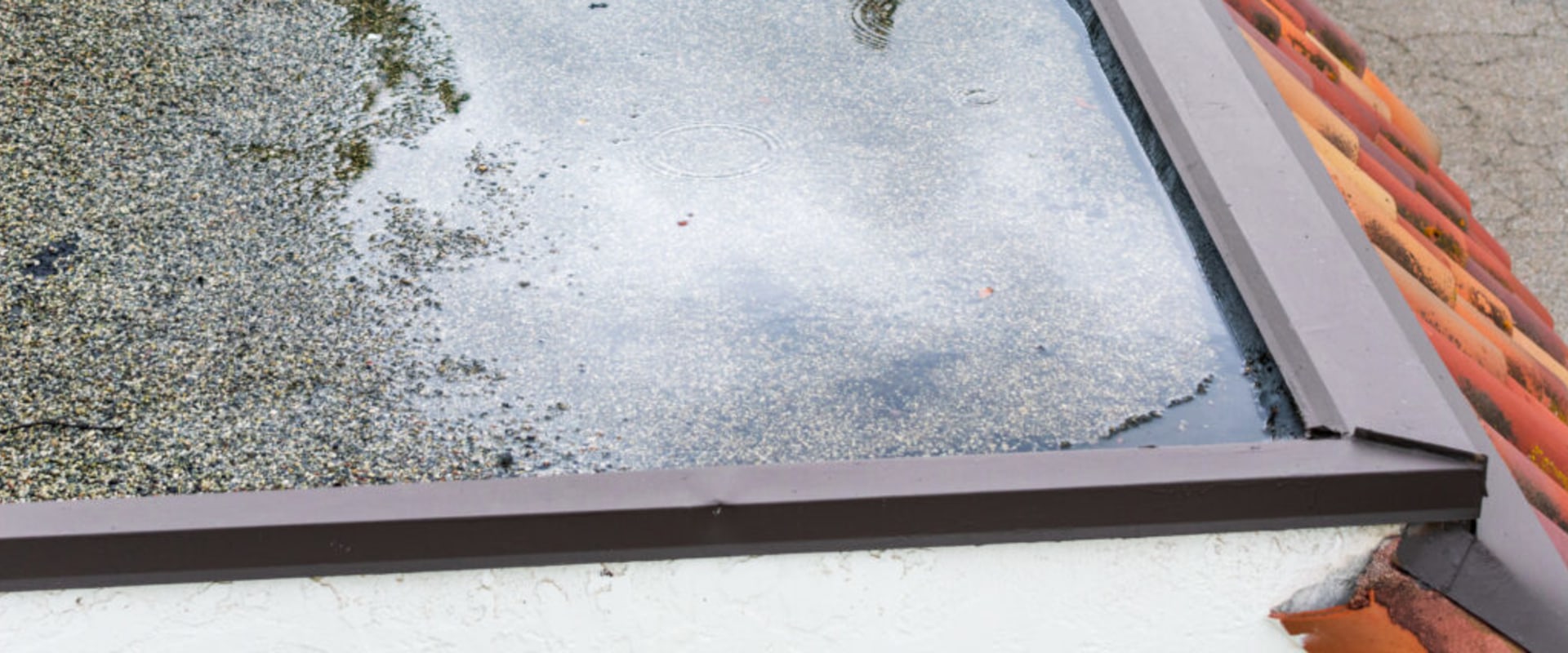
Most homeowners think of roofing problems as issues that only affect the exterior of a property, but moisture caused by roof damage can slowly create indoor cleaning challenges that become harder to manage over time. Small roof leaks, poor attic ventilation, damaged flashing, and clogged gutters may allow moisture to enter hidden parts of the home long before visible signs appear. As this moisture spreads through ceilings, walls, insulation, and flooring, it can gradually change indoor conditions in ways that make regular cleaning less effective and more time-consuming. Dust buildup, mildew odors, staining, humidity problems, and recurring mold growth are often connected to unresolved roofing issues that continue affecting the home behind the surface.
Moisture Creates Conditions for Mold and Mildew
One of the biggest cleaning challenges caused by roofing-related moisture is the development of mold and mildew in hidden areas. Even minor roof leaks can create damp conditions inside attic spaces, behind drywall, or beneath flooring materials. Over time, this excess moisture raises indoor humidity levels and allows mold spores to spread more easily throughout the property. Homeowners may notice musty smells, dark spots near ceilings, or mildew buildup around vents and windows, even after repeated cleaning efforts. These issues often return because the root source of moisture remains unresolved. Roofing professionals understand that when water intrusion is left untreated, ordinary cleaning routines may only provide temporary improvement rather than long-term results.
Why Dust and Dirt Become Harder to Control
Moisture problems inside a home can also increase the amount of dust and airborne debris circulating through indoor spaces. Damp environments often weaken drywall, insulation, and ceiling materials, causing tiny particles to break down and spread through ventilation systems. Excess humidity may also cause dust to cling more heavily to walls, furniture, and flooring surfaces, making cleaning more difficult and frequent. In some homes, moisture damage can even warp wood trim or create gaps where dirt accumulates more easily. Companies like A1 Roofing Services recognize that roofing systems influence much more than weather protection alone. Proper roof maintenance, drainage control, and attic ventilation help support cleaner indoor environments by reducing the moisture conditions that contribute to persistent household cleaning problems.
Hidden Water Damage Can Affect Flooring and Surfaces
When roof moisture enters interior spaces repeatedly, it often impacts surfaces that homeowners clean every day. Hardwood flooring may begin to cup or separate, carpets can trap lingering moisture and odors, and painted walls may develop stains or bubbling that become difficult to maintain. Kitchens, laundry rooms, and upper-level bathrooms are especially vulnerable when roof leaks occur nearby because these spaces already experience higher humidity levels. As water damage spreads beneath the surface, cleaning products alone cannot fully remove discoloration, odors, or residue caused by long-term moisture exposure. In many cases, homeowners spend more time scrubbing, deodorizing, or repainting areas without realizing the roofing system continues contributing to the problem.
The Role of Ventilation in Indoor Cleanliness
Roofing systems also help regulate airflow and humidity inside the home through attic ventilation and moisture control. Poor ventilation allows warm, damp air to become trapped inside upper levels of the property, increasing condensation around ceilings and windows. This added moisture encourages dust buildup, sticky surfaces, and mildew growth in areas that would otherwise remain dry. During seasonal weather changes, the problem can become even more noticeable as humidity levels fluctuate indoors. Roofing professionals often inspect ventilation systems alongside roof materials because both work together to maintain healthier indoor conditions.
Preventive Roof Maintenance Supports Cleaner Living Spaces
Routine roof inspections and moisture prevention can significantly reduce long-term indoor cleaning challenges. Addressing damaged shingles, faulty flashing, blocked gutters, or ventilation issues early helps prevent moisture from spreading into hidden areas of the home. Proper drainage systems also reduce the likelihood of water entering walls or ceilings during storms. By maintaining a dry and properly ventilated structure, homeowners can improve indoor air quality, reduce recurring cleaning frustrations, and protect interior surfaces from avoidable moisture-related deterioration. Over time, effective roofing maintenance contributes not only to structural protection but also to a cleaner, healthier, and easier-to-maintain living environment.